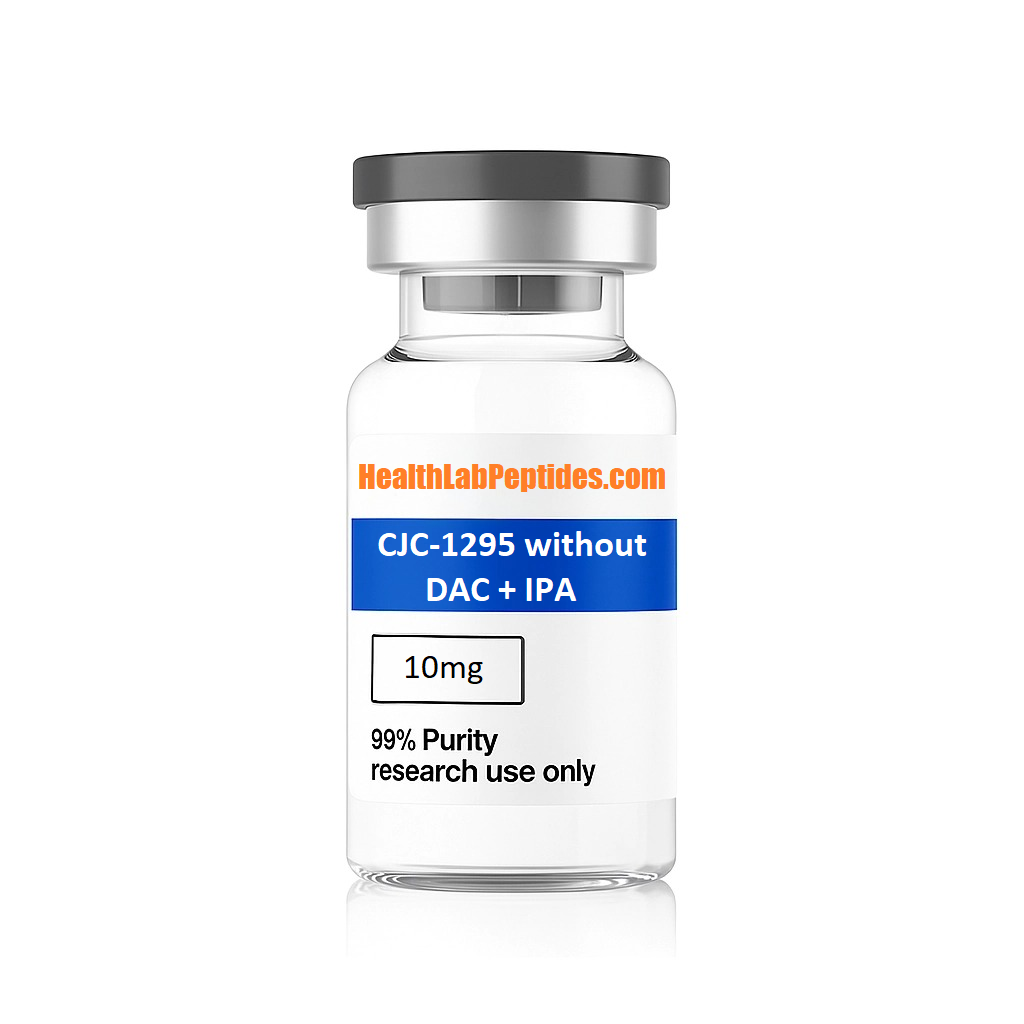
Buy CJC -1295 without DAC + IPA 10mg Online
Buy CJC -1295 without DAC + IPA 10mg Online. Peptide-based compounds have gained significant attention in recent years within scientific and research communities. Among them, CJC-1295 without DAC and Ipamorelin (IPA) are frequently discussed due to their association with growth hormone research and physiological studies.
This comprehensive guide explores the mechanism, potential applications, differences, and research context of CJC-1295 without DAC combined with Ipamorelin, helping readers better understand these compounds from an educational perspective.
For additional peptide-related resources and research information, visit https://chinapetideswarehouse.com/ or contact bellapeptides48@gmail.com.
What Is CJC-1295 Without DAC?
CJC-1295 without DAC is a synthetic peptide that belongs to a class of compounds known as growth hormone-releasing hormone (GHRH) analogs. It is structurally designed to mimic the natural GHRH produced in the human body.
Unlike its DAC-modified counterpart, CJC-1295 without DAC has a shorter half-life. This means it interacts with the body in a more pulsatile manner, closely resembling the natural release cycles of growth hormone.
Key Characteristics
- Shorter duration of activity
- Mimics natural hormone pulses
- Often studied in combination with other peptides
- Requires more frequent administration in research settings
What Is Ipamorelin (IPA)?
Ipamorelin is a synthetic peptide categorized as a growth hormone secretagogue (GHS). It is designed to stimulate the release of growth hormone by interacting with specific receptors in the body.
One of the distinguishing features of Ipamorelin is its selectivity, meaning it is often studied for its targeted action without significantly influencing other hormones.
Key Characteristics
- Selective growth hormone stimulation
- Minimal interaction with cortisol and prolactin (in research contexts)
- Often combined with GHRH analogs like CJC-1295
Why Are CJC-1295 Without DAC and Ipamorelin Combined?
The combination of CJC-1295 without DAC and Ipamorelin is commonly discussed in research due to their complementary mechanisms of action.
- CJC-1295 without DAC signals the body to release growth hormone
- Ipamorelin enhances the signaling process through receptor stimulation
Together, they are often studied for their ability to support natural hormone pulse patterns, potentially leading to more efficient outcomes in research models.
Mechanism of Action
Understanding how these peptides work requires a basic overview of the body’s hormonal signaling system.
CJC-1295 Without DAC Mechanism
This peptide acts on the pituitary gland, encouraging the release of growth hormone by mimicking endogenous GHRH signals.
Ipamorelin Mechanism
Ipamorelin binds to ghrelin receptors, which play a role in growth hormone secretion. This interaction supports the body’s natural signaling pathways.
Combined Effect
When used together in research:
- Enhanced growth hormone signaling may occur
- Hormone release patterns may resemble natural cycles
- Synergistic effects are often explored in studies
Research Interest and Applications
CJC-1295 without DAC and Ipamorelin are widely discussed in research environments for their potential implications in several areas.
Muscle and Tissue Research
These peptides are often studied for their potential role in:
- Protein synthesis
- Tissue repair mechanisms
- Muscle development pathways
Recovery and Regeneration Studies
Researchers have explored their involvement in:
- Cellular regeneration
- Recovery processes
- Healing responses in experimental models
Metabolic Research
Growth hormone plays a role in metabolism, leading to interest in:
- Fat metabolism
- Energy balance
- Hormonal regulation
It is important to note that these applications are research-focused and not approved medical uses.
Differences Between DAC and Non-DAC Versions
A key distinction in CJC-1295 products is whether they include DAC (Drug Affinity Complex).
Without DAC
- Short half-life
- Mimics natural hormone pulses
- Requires multiple administrations in research
With DAC
- Extended half-life
- Less frequent dosing
- Sustained hormone release
The “without DAC” version is often preferred in studies that aim to replicate natural biological rhythms.
Handling and Storage Considerations
In laboratory and research settings, peptides like CJC-1295 and Ipamorelin require proper handling to maintain stability.
General considerations include:
- Storage at low temperatures
- Protection from light and contamination
- Proper reconstitution techniques in controlled environments
Following appropriate protocols ensures compound integrity during research use.
Safety and Regulatory Considerations
CJC-1295 without DAC and Ipamorelin are not approved for general medical use in many countries. They are typically classified as research compounds.
Important points include:
- Not intended for human consumption outside regulated clinical settings
- Should only be use in license research environments
- Regulatory status varies by country
Individuals should always consult relevant authorities and guidelines before working with such compounds.
The Growing Interest in Peptide Research
Peptides have become an increasingly important area of study due to their specificity and targeted interactions within the body.
Researchers are particularly interest in:
- Hormonal signaling pathways
- Precision-based biological interactions
- Potential therapeutic applications under strict regulation
As scientific understanding evolves, peptides like CJC-1295 and Ipamorelin continue to be explore in controll environments.
Learning More About Peptides
For those interested in peptide research, it is important to rely on credible educational resources and scientific literature.
You can explore additional peptide-related information and research materials through:
Website: https://chinapetideswarehouse.com/
Email: bellapeptides48@gmail.com
WhatsApp: +1 (304) 416-2016
These channels can provide general information and updates related to peptide research topics.
Final Thoughts
CJC-1295 without DAC and Ipamorelin represent a fascinating area within peptide research, particularly due to their interaction with growth hormone pathways. Their complementary mechanisms and research applications have made them a popular subject of scientific interest.
While ongoing studies continue to explore their potential, it is essential to approach these compounds with responsibility, awareness, and adherence to regulatory guidelines.
Educational content and research-based understanding remain the best way to explore the evolving field of peptide science.
Be the first to review “Buy CJC -1295 without DAC + IPA 10mg Online”
Related products
Research Muscle Repair
Tissue-repair-and-regeneration-for-research
Reviews
There are no reviews yet.